
The Smart Festival Weather Layering Guide: How to Dress for 30° Swings Without Losing Your Mind
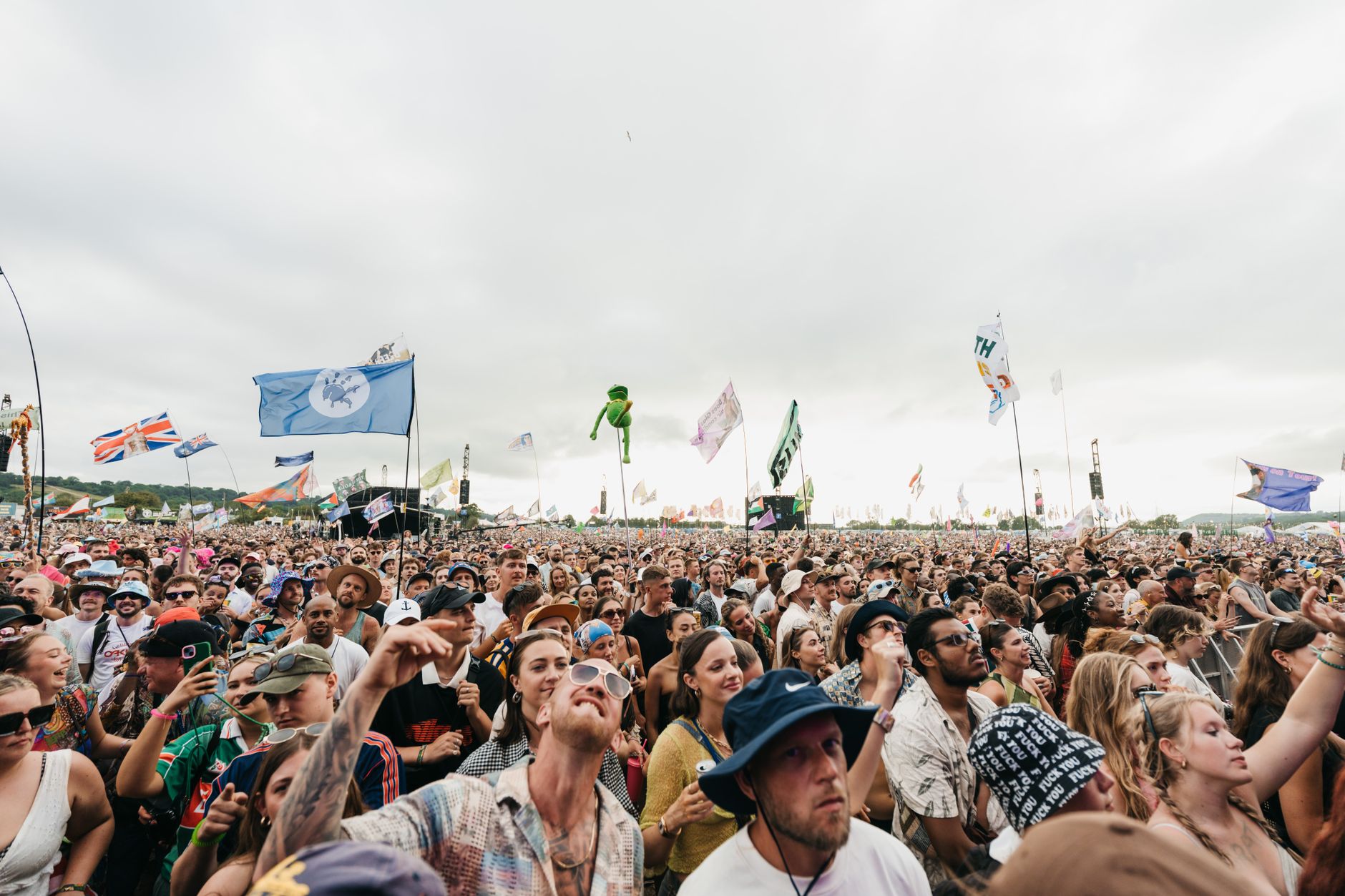
With 2026 festival season hitting record attendance numbers—and climate volatility making headlines from Bonnaroo’s sudden 55°F drops to Coachella’s dust-bowl afternoons—knowing how to dress has become as critical as knowing the lineup. The days of throwing on a band tee and hoping for the best are officially over. This festival weather layering guide breaks down exactly how to build a system that handles 30-to-40-degree temperature swings without weighing down your dance moves or your backpack.
Why Festival Weather Is Trickier Than Standard Outdoor Travel
Festival environments create unique thermal challenges that hiking or city travel don’t replicate. You’re standing in dense crowds that spike the “feels like” temperature by 10-15°F through body heat alone. Then you’re walking back to camp across open fields at 2 AM where wind chill drops it right back down. Add in beer gardens, porta-potty lines in direct sun, and surprise precipitation, and you’ve got a recipe for misery without the right layers.
The data backs this up. A 2025 study from the University of Colorado’s outdoor recreation program found that 67% of festival medical tent visits for “feeling unwell” were actually temperature-regulation issues—hypothermia risk in summer festivals included—not drug or alcohol-related as commonly assumed.
The Three-Layer Foundation That Actually Works
Forget the old “base, mid, outer” hiking mantra. For festivals, you need a four-zone system built around speed of change.
Your base layer needs to handle 8+ hours of sweat without chafing or smelling like a dumpster. Merino wool blends (150-200 gsm) outperform synthetics for multi-day wear. Icebreaker’s Cool-Lite and Smartwool’s 150 collection both hold up through three-day benders. Budget alternative: Uniqlo’s Airism mesh line at $14.90, though you’ll want fresh daily swaps.
Your active mid-layer is where most festival-goers blow it. Fleece is too hot for crowds. Down is useless when wet and impossible to clean of dust. The sweet spot is a lightweight, breathable synthetic like Patagonia’s Nano-Air Light Hybrid or the Outdoor Research Ferrosi Hoody—both pack to softball size and handle 50°F to 80°F comfortably.
Your static insulation layer lives in your bag until needed. This is your 10 PM-to-2 AM weapon. A packable puffer with at least 600-fill down (or Primaloft Gold for wet climates) that compresses to its own pocket. The Mountain Hardwear Ghost Whisperer at 7.8 oz is the gold standard; Decathlon’s Trek 100 at $69 is the steal.
Your shell isn’t for rain—it’s for wind. A 5 oz windbreaker cuts chill dramatically and takes up zero space. The Black Diamond Distance Wind Shell or any race-day running jacket works perfectly.
The “20-Minute Rule” for Layer Decisions
Here’s the practical framework that separates comfortable veterans from shivering rookies: Can you add or remove this layer in under 20 seconds without stopping your group?
Test everything before you pack. Practice in your bedroom. If a layer requires:
- Taking off your backpack
- Unzipping boots
- Finding a flat surface
- Asking a friend to hold your drink
…it’s the wrong layer for festival conditions. Fanny packs and crossbody bags beat backpacks for this reason—you need one hand free, always.
Festival-Specific Layering Hacks You Won’t Find on Hiking Blogs
The “sweat reset” protocol: After particularly intense sets (think Sahara Tent at Coachella or Perry’s Stage at Lollapalooza), your base layer is saturated. Changing it before the temperature drops prevents the dangerous “wet chill” that hits during the walk back to camp. Pack one dry base layer in a sealed ziplock specifically for this transition.
The bandana buffer: A simple cotton bandana around your neck provides 5-10°F of perceived cooling when wet, sun protection when dry, and can be pulled up as a dust mask. It’s the single most versatile square foot of fabric you can carry.
The “stadium blanket” deception: Many festivals ban blankets but allow “wearable items.” A 55” x 60” packable camp blanket with corner snaps (like the Matador Pocket Blanket 2.0) converts to a poncho in seconds. At 3.5 oz, it’s your sitting-on-grass, sudden-downpour, and extra-warmth layer in one.
Footwear as climate control: Your feet are your radiator. Mesh trail runners (Hoka Speedgoat, Altra Lone Peak) with merino socks handle heat. Pack a second pair of waterproof socks (Showers Pass Crosspoint at $35) to transform the same shoes for cold wet conditions—no shoe change required.
The 2026 Climate Reality: Packing for Extremes
This year’s festival circuit is seeing unprecedented weather volatility. Lightning delays at Governors Ball 2026 forced 3-hour evacuations. Electric Forest’s opening weekend hit 94°F followed by 48°F nights. Burning Man’s 2025 playa flooding made national news.
Your layering system needs redundancy for the unlikely. Pack for one category worse than the forecast: if it’s calling for “mild,” pack for “cold rain.” If it’s “hot,” pack for “hot with sudden storm.” The weight penalty of one extra compressed layer is nothing compared to missing Radiohead because you’re hypothermic in a $5 drugstore poncho.
The specific numbers: aim for 4.5 lbs total packed clothing for a 3-day festival, capable of handling 40°F to 100°F actual temperatures. Weigh your bag. If your “just in case” pile pushes you past 6 lbs, you’re overpacking—audit for multi-use items.
Conclusion: Build Your System, Then Stop Thinking About It
The ultimate goal of any festival weather layering guide is to make clothing invisible—to get you back to focusing on music, friends, and the moment. The system above works because it’s built around festival-specific behaviors: crowd heat, walking transitions, bag weight limits, and the social pressure of not holding up your group.
Spend 30 minutes testing your layers at home. Walk around the block with your full pack. Simulate a “layer change” in a dark bathroom with one hand. The confidence you build there translates directly to better decisions at 1 AM when you’re tired, possibly impaired, and the temperature just dropped 20 degrees.
The best festival outfit isn’t the one that looks coolest on Instagram. It’s the one you never have to think about once the music starts.
Like what you're reading?
Check out our recommended partner for this niche.
Novem Astra Global Media →