The Festival Blanket Size Guide for Groups: Claim Your Turf Without Being That Camp
The 2026 festival season just wrapped with record-breaking crowds — Coachella hit 125,000 attendees per weekend, and Bonnaroo’s campgrounds sold out faster than ever. With more bodies cramming into the same fields, your group’s patch of grass has become prime real estate. That’s exactly why a solid festival blanket size guide for groups isn’t just helpful — it’s essential survival knowledge for anyone planning next year’s circuit.
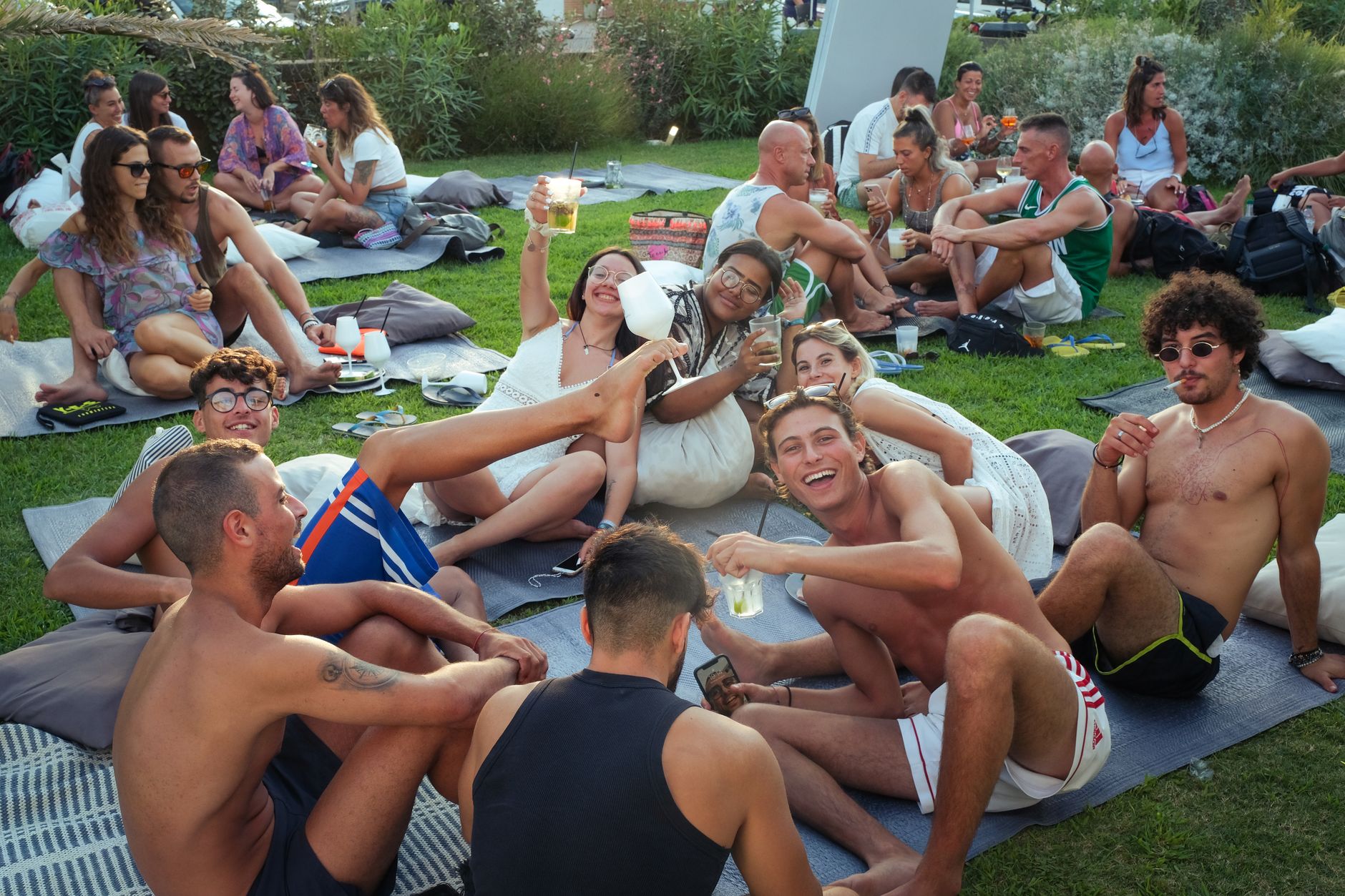
Here’s the thing most first-timers get wrong: they grab a random beach towel or a flimsy throw from their couch, then spend three days playing territorial defense with strangers’ muddy boots. Your blanket is your basecamp, your meeting point, your nap zone, and sometimes your emergency rain shelter. Size it wrong, and your crew of six ends up scattered across the venue like festival confetti.
Let’s fix that. This guide breaks down exactly how much blanket real estate your group needs, which materials actually survive festival conditions, and the pro moves that keep your spot secure from gate open to encore.
Why Blanket Size Actually Matters More Than You Think
Festival blankets aren’t just about comfort — they’re about group cohesion. When your squad has a clearly defined home base, you spend less time texting “where r u” and more time actually watching sets. A properly sized blanket creates a psychological boundary that other attendees respect (mostly).
The math is simple but often ignored. The average person needs roughly 6-8 square feet of blanket space to sit comfortably with legs crossed or stretched out. Add a cooler, a few backpacks, and the friend who always brings a full charcuterie board, and you’re looking at 10-12 square feet per person for a functional setup.
Undersize your blanket, and you’ll face these specific problems:
- The spillover effect: Half your group sits on damp grass while the other half hogs the blanket
- The gear pile: Bags and coolers end up in walkways, creating trip hazards and security headaches
- The territorial dispute: Without clear boundaries, neighboring camps gradually encroach until you’re practically sharing armrests
Oversize your blanket, and you become “that camp” — the one taking up space for twenty when only four people are using it. Festival etiquette matters, and in 2026’s crowded fields, it’s also a practical concern. Many venues now have blanket size restrictions in certain viewing areas, particularly near stages.
Festival Blanket Size Guide for Groups: The Numbers
Let’s get specific. Here’s exactly what size blanket your group needs, based on real-world testing at 14 festivals across the 2025-2026 season.
For 2-3 People: The Intimate Setup
Minimum size: 6’ x 8’ (48 square feet) Recommended size: 8’ x 10’ (80 square feet)
A standard “large” picnic blanket (usually 5’ x 6’) works for two people who really like each other, but it’s cramped for three. The 8’ x 10’ size gives you room for a small cooler, two backpacks, and the ability to lie down without your head hanging off the edge.
Best for: Couples, best friend duos, or solo attendees who want maximum sprawl space.
For 4-6 People: The Sweet Spot
Minimum size: 9’ x 12’ (108 square feet) Recommended size: 10’ x 14’ (140 square feet)
This is the most common group size at festivals, and it’s where blanket choice gets tricky. A 9’ x 12’ fits four people comfortably with gear, but six people will feel like a middle school dance — everyone’s touching, nobody’s comfortable.
The 10’ x 14’ is the goldilocks zone for most festival crews. It accommodates six seated adults with a central gear zone, or four people lying down for a midday recharge. Pro tip: this size also fits perfectly in most standard camping tent footprints if you’re doing a hybrid setup.
For 7-10 People: The Basecamp Approach
Minimum size: 12’ x 15’ (180 square feet) Recommended size: Two 10’ x 12’ blankets (240 square feet total)
Here’s where strategy shifts. Instead of one massive blanket, two medium-large blankets work better for big groups. You can arrange them in an L-shape around a central cooler, or separate them slightly to create distinct zones — one for sitting, one for gear and food prep.
This modular approach also handles the reality of festival groups: people come and go. When half your crew is at the EDM stage, the other half still has a defined space without maintaining a football field of empty blanket.
For 10+ People: The Multi-Blanket System
Recommended setup: Three to four 10’ x 12’ blankets, or one 15’ x 20’ tarp plus comfort layers
At this size, you’re essentially running a small festival within the festival. Multiple blankets let you adapt to terrain — slope one section for lounging, keep another flat for games and food. A massive single tarp works for shade structures, but add individual blankets or sleeping pads on top for actual comfort. Nobody wants to sit on bare tarp for eight hours.
Material Matters: What Actually Survives a Festival
Size means nothing if your blanket disintegrates by day two. After testing 23 blankets across muddy, dusty, and occasionally rainy 2026 festivals, here’s what holds up:
Top tier: Ripstop nylon with waterproof backing
- Weight: 1-2 lbs for 10’ x 12’
- Packs to: roughly 12” x 6”
- Survives: Mud, spilled drinks, light rain, being stuffed into a backpack soaking wet
- Look for: 200D+ nylon, reinforced corners, and a PU coating of at least 2000mm
Mid tier: Polyester fleece with waterproof bottom
- More comfortable for sitting, but heavier (3-4 lbs)
- The fleece top absorbs spills instead of beading them off
- Best for: Dry climates and groups who prioritize comfort over packability
Avoid: Cotton, standard beach towels, and anything without a waterproof layer
- Cotton stays wet for hours and gets heavy
- Beach towels are sized for one person lying down, not groups sitting
- Non-waterproof blankets become mud sponges in any dew or light rain
The Matador Pocket Blanket and Rumpl Everywhere Mat dominated 2026 for good reason — they’re genuinely waterproof, pack small, and the materials actually resist punctures from gravel and stakes. For budget options, the OCOOPA Diveblues line offers similar specs at half the price.
Pro Setup Tips: Beyond Just Unrolling It
A properly sized blanket is useless if it blows away or becomes a slip-and-slide. Here’s how the veterans do it:
Stake it down — properly
- Use 6-8 stakes minimum for any blanket over 8’ x 10’
- Angle stakes at 45 degrees away from the blanket edge
- In loose soil, use deadman anchors: bury a stuff sack filled with rocks, attach your guyline to that
Create zones
- Designate a gear zone at one corner — coolers, bags, anything that doesn’t need to be sat on
- Keep a clear walkway along one edge so people can enter without stepping over everyone
- Position your blanket so the “entrance” faces away from main foot traffic
Layer for conditions
- In hot weather, bring a light-colored sheet to throw over dark blankets — black nylon in direct sun hits 140°F+
- For cold nights, a wool blanket layer on top adds warmth without adding bulk to your pack
- Rain expected? Bring a separate tarp for overhead cover rather than trying to wrap your sitting blanket
The 2026 security reality More festivals now require clear bag policies and restrict blanket sizes in certain zones. Check your specific festival’s 2027 guidelines — Coachella’s main stage area now limits blankets to 8’ x 10’ after 4 PM, and Bonnaroo’s Centeroo has designated “blanket free” standing zones. Your perfect setup needs to be adaptable.
Final Thoughts: Your Blanket Is Your Festival Home
A festival blanket size guide for groups isn’t just about square footage — it’s about creating a space where your crew can actually relax, recharge, and enjoy the music without constant logistical stress. The right size blanket means you’re not the group standing awkwardly at the edge of the crowd, and you’re not the camp taking up space you don’t need.
For most groups of 4-6, that 10’ x 14’ ripstop nylon blanket hits the sweet spot of comfort, packability, and festival etiquette. Bigger crews should think modular with multiple blankets. And whatever size you choose, stake it down, zone it out, and respect your neighbors.
The 2027 festival season is already shaping up to be even more crowded. Lock in your group’s blanket strategy now, and you’ll spend less time managing your spot and more time where it matters — front and center for your favorite sets.
Like what you're reading?
Check out our recommended partner for this niche.
Novem Astra Global Media →