
The Best Zero-Waste Festivals in Europe 2026: Your Ultimate Sustainable Party Guide
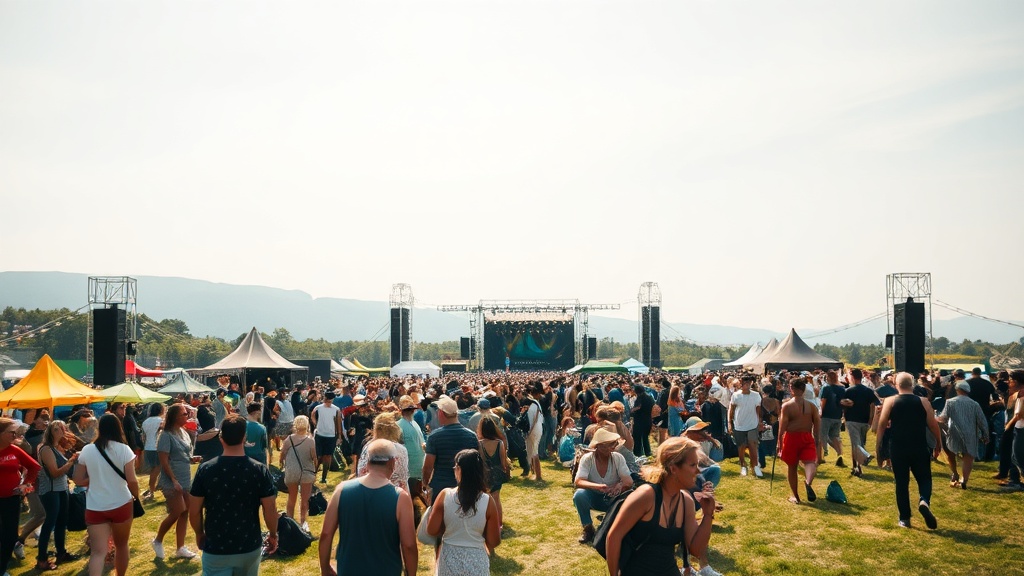
Picture this: you’re dancing under a canopy of fairy lights, the bass humming through your chest, a reusable cup in hand, and not a single piece of plastic trash in sight. That’s the magic of a zero-waste festival—and Europe is leading the charge in 2026. Gone are the days when epic music events meant leaving behind a scar on the landscape. Today, a new wave of gatherings proves that you can rave, camp, and connect without costing the Earth. If you’re hunting for the best zero-waste festivals in Europe 2026, you’re in the right place. I’ve scouted the continent’s most innovative events, gathered hard-won packing hacks, and mapped out how to turn your festival pilgrimage into a genuinely sustainable adventure.
Why Zero-Waste Festivals Matter More Than Ever
A typical weekend festival generates around 2.8 kg of waste per person, much of it single-use plastic cups, food packaging, and abandoned camping gear. Multiply that by tens of thousands of attendees, and you get a sobering picture. Zero-waste festivals flip that script. They rethink everything: power sources, toilet systems, plate materials, and even the dance floor itself. In 2026, the best zero-waste festivals in Europe aren’t just about reducing trash; they’re immersive experiments in circular living.
These events often run on 100% renewable energy, serve food on compostable or edible plates, and treat waste as a design flaw rather than an afterthought. The impact ripples outward. Attendees leave with new habits—carrying a reusable water bottle becomes second nature, composting feels obvious, and the idea of buying a cheap tent for a single weekend suddenly seems absurd. By choosing a zero-waste festival, you’re not just minimizing your footprint; you’re joining a movement that’s reshaping the entire live events industry.
The Best Zero-Waste Festivals in Europe 2026 You Can’t Miss
Europe’s festival map is dotted with green pioneers. Here are five standouts that combine world-class lineups with serious eco-credentials.
Shambala Festival, United Kingdom
Hidden in a secret Northamptonshire location, Shambala has been a trailblazer since it went meat-free in 2016 and eliminated single-use plastics entirely. In 2026, the festival runs on 100% renewable energy, uses compost toilets, and powers its stages with solar, wind, and even hydrogen fuel cells. All food vendors serve fully plant-based menus on reusable or compostable tableware. The “Bring a Bottle, Leave No Trace” mantra is backed by a deposit-return system for every drink container. Shambala also hosts hands-on workshops on mending, upcycling, and fermentation, so you leave with skills, not just memories.
We Love Green, France
Set in the Bois de Vincennes just outside Paris, We Love Green has become a benchmark for urban eco-festivals. The 2026 edition features a zero-waste goal that extends to the artist catering, backstage operations, and even the stage design—built from reclaimed wood and recycled materials. Food stalls serve organic, locally sourced dishes, and all leftovers are composted on site. The festival’s “Green Lab” area hosts talks from climate scientists and zero-waste chefs. Their reusable cup system is so efficient that in previous years they’ve avoided over 300,000 single-use cups in a single weekend.
DGTL Amsterdam, Netherlands
DGTL isn’t just an electronic music mecca; it’s the world’s first circular festival. Held at the NDSM Docklands, DGTL Amsterdam 2026 will return with its revolutionary “Resource Street,” where waste is separated into more than 20 streams and processed on site. Urine is turned into fertilizer for the festival’s own vertical garden, food waste becomes compost, and plastics are shredded and 3D-printed into new products. The festival’s energy grid combines solar panels, battery storage, and even kinetic dance floors that generate electricity from your moves. It’s a living lab that proves circularity can be sexy.
Boom Festival, Portugal
Boom has been a psychedelic gathering with a deep spiritual and ecological heart since the 1990s. The 2026 edition, set on the shores of Idanha-a-Nova Lake, is fully off-grid. All energy comes from solar, wind, and biodiesel from recycled cooking oil. Boom’s famous “Free Water” stations provide clean drinking water, eliminating the need for plastic bottles. Toilets are dry compost systems that produce “humanure” for reforestation projects. The festival also runs a dedicated “Leave No Trace” crew that combs the site for days after the music stops, ensuring the land is returned exactly as it was found.
Fusion Festival, Germany
Fusion, held on a former Soviet airbase near Rostock, operates with a radical anti-consumerist ethos. There are no sponsors, no advertising, and no single-use anything. Attendees are expected to bring their own reusable plate, cup, and cutlery—vendors won’t give you disposables. In 2026, Fusion’s “Küche für Alle” (Kitchen for All) serves communal meals made from rescued food that would otherwise go to waste. The festival’s art installations are built from salvaged materials, and the entire site is powered by biodiesel generators running on recycled vegetable oil. It’s raw, unfiltered, and unapologetically green.
How to Prepare for a Zero-Waste Festival Experience
Attending the best zero-waste festivals in Europe 2026 requires a slight mindset shift. You’re not just a spectator; you’re an active participant in the event’s ecological mission. Start by reading the festival’s sustainability guidelines thoroughly—many have strict rules about what you can and cannot bring. Some, like Fusion, mandate your own dinnerware. Others, like Shambala, ban glitter and non-biodegradable sequins because they’re microplastics.
Book your travel with intention. Train and bus connections often have a lower carbon footprint than flying, and many festivals offer shuttle services from major hubs. Consider offsetting unavoidable emissions through certified projects. When buying gear, invest in quality items that will last for years rather than the cheapest tent that will end up in a landfill by Monday morning.
Packing List for a Zero-Waste Festival: What to Bring and What to Skip
Packing light and smart is a superpower. Here’s a checklist built from years of trial and error at eco-focused events.
Essentials to bring:
- A sturdy reusable water bottle (insulated stainless steel keeps water cool)
- Collapsible coffee cup and a spork or bamboo utensil set
- A deep plate or mess tin—ideal for food stalls that don’t provide disposables
- Cloth napkin and a small tea towel for drying hands and gear
- Solid shampoo and soap bars to avoid plastic bottles
- Menstrual cup or period underwear (most eco-festivals provide bins for these, but check)
- Solar-powered charger or a high-capacity power bank
- A durable tent, sleeping bag, and roll mat you’ll use for years
- Trash bag specifically to collect your own recyclables and take them home if bins are full
- Biodegradable wet wipes (look for plastic-free, compostable versions)
What to leave behind:
- Glitter, sequins, and synthetic costumes that shed microplastics
- Disposable ponchos—pack a lightweight reusable rain jacket instead
- Single-use glow sticks and plastic decorations
- Excessive packaging; decant snacks into reusable containers beforehand
- Cheap camping chairs that break easily; consider a simple sit mat
Beyond the Festival: Turn Your Trip into a Sustainable Adventure
The best zero-waste festivals in Europe 2026 are often gateways to incredible landscapes. Extend your journey with a low-impact travel plan. If you’re heading to Boom Festival, spend a few days exploring the regenerative farms and permaculture projects in central Portugal. After DGTL Amsterdam, rent a bike and cycle the Dutch countryside, staying at eco-campsites that use compost toilets and solar showers. Fusion’s location in Mecklenburg-Vorpommern puts you near lakes and forests perfect for wild swimming and hiking—no car required.
You can also volunteer. Many of these festivals run pre- and post-event eco-crews. Joining a build team or a waste-sorting shift gives you a behind-the-scenes look at how circular systems actually work. It deepens your connection to the event and often comes with a free ticket and meals. Check each festival’s website for “Green Team” or “Eco Crew” applications. Spots fill fast, so apply early in 2026.
Ready to Dance Without the Footprint?
The era of trashing fields in the name of a good time is over. The best zero-waste festivals in Europe 2026 prove that celebration and sustainability aren’t opposites—they’re natural partners. By choosing an event that aligns with your values, packing thoughtfully, and extending that mindset into the rest of your trip,
Like what you're reading?
Check out our recommended partner for this niche.
Novem Astra Global Media →