The 2026 Music Festival Solo Travel Safety Guide: How to Thrive Alone Without the Anxiety
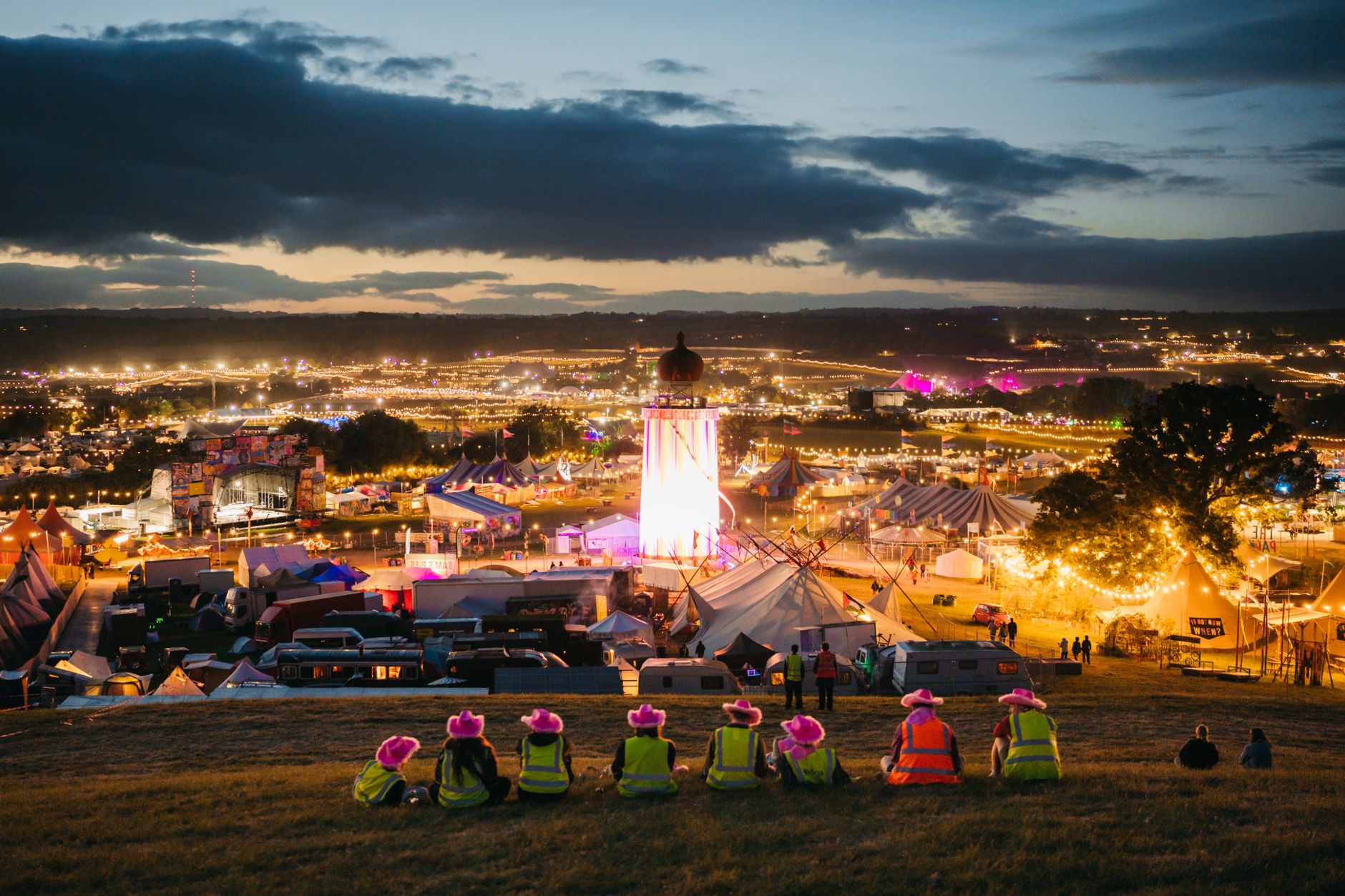
The 2026 music festival guide: The biggest and best for summer and beyond is already dominating headlines, with Coachella’s expanded two-weekend format, Bonnaroo’s 25th anniversary blowout, and Glastonbury’s rumored secret Sunday headliner sending ticket sales into overdrive. But here’s what those glossy lineup announcements won’t tell you: solo festival attendance has jumped 34% since 2023, and the safety playbook has completely changed. Whether you’re finally making good on that “treat yourself” promise or your crew flaked last minute, this 2026 music festival solo travel safety guide is built for the reality of going alone in an era of AI-powered scams, hyper-crowded venues, and festivals that span 800+ acres.
Solo festival travel isn’t about surviving—it’s about building a trip so strategically secure that you actually relax enough to lose yourself in the music. Let’s build that system.
Why 2026 Demands a New Solo Safety Framework
The old advice—“stay hydrated, stick to main paths, text your mom”—doesn’t cut it anymore. Festivals have evolved, and so have the risks.
Three 2026-specific shifts you need to know:
- Digital theft now outpaces physical pickpocketing at major U.S. festivals. RFID skimming, fake Wi-Fi networks, and Instagram location scams are the new threats
- “Crowd crush” incidents at Astroworld 2021 permanently changed density management, but many international festivals still lack modern exit infrastructure
- Solo traveler “meetup” apps have exploded—and so have reports of coordinated theft rings using them to target isolated attendees
The festivals themselves are responding. Coachella 2026 debuts its “Solo Scout” program with designated check-in points and volunteer “festival neighbors.” Bonnaroo’s “Roo Crew” solo network now includes optional GPS wristbands with silent distress signals. But technology alone won’t save you—habits will.
Build Your Pre-Festival Digital Fortress
Before you even pack, your phone needs a security overhaul. Solo travelers are disproportionately targeted because thieves assume no one will immediately notice you’re missing or compromised.
Lock down these five digital vulnerabilities:
-
Airplane mode with exceptions — Download offline maps (Google Maps, Maps.me), screenshot your ticket QR codes, and save emergency contacts that work without data. Enable “Find My” or equivalent, then set your phone to airplane mode with only Bluetooth and emergency services active
-
The “festival wallet” decoy — Load a secondary payment app (Apple Pay Cash, Venmo with $0 balance) onto your phone. If forced to unlock under duress, this is what you hand over. Keep primary cards in a hidden RFID-blocking pouch
-
Social media blackout protocol — Post nothing location-tagged in real time. The 2024 trend of “storying your campsite” led to targeted thefts at Electric Forest and Lollapalooza. Wait 6-12 hours, or post Monday morning when you’re gone
-
Emergency word with your contact person — Not just “I’m safe.” A specific phrase (“the tacos were amazing”) that means “I’m in trouble but can’t say so” and another (“wish you were here”) that means “everything’s actually fine, don’t panic”
-
Festival app deep-dive — Most 2026 apps now include offline mode, medical alert integration, and “share my location with friends” features. Set these up before you lose signal in the crowd
Navigate Massive Crowds Like a Solo Pro
Here’s the counterintuitive truth: being alone makes you more agile in crowds, not more vulnerable. Use it.
The 3-2-1 crowd safety system:
-
3 exit points — Every time you settle into a set, identify three ways out: left, right, and a diagonal path toward the back. Count the rows of people between you and open space
-
2 anchor objects — Pick two fixed landmarks (sound tower, lighting rig, specific flag) that you can reference if disoriented. Phone flashlights die; visual memory doesn’t
-
1 “float” zone — Never plant directly at the front rail as solo traveler. The “float” area 30-50 feet back gives you movement options, better sound mix, and escape routes if the crowd tightens
Solo-specific crowd hacks: Carry a small, distinctive totem (even 18 inches) on a collapsible pole. Not for waving—it’s for finding your original spot if you step out for water. Festivals are increasingly banning full-size totems, but personal markers under 2 feet typically pass security.
At 2026’s expanded festivals, set transition timing matters more than set selection. Give yourself 15-20 minutes between stages instead of 5. Rushing solo travelers make bad decisions: cutting through dense crowds, skipping hydration stops, missing red flags in their environment.
Make Genuine Connections Without Compromising Security
The biggest fear isn’t theft or injury—it’s loneliness. But the solution isn’t random trust; it’s structured vulnerability.
Three connection frameworks that actually work:
The “activity bridge” approach — Don’t open with “I’m here alone.” Open with “Have you caught [specific artist] before?” or “That sound bleed from the other stage is wild.” Shared experiences build faster, safer bonds than shared circumstances. Join official festival activities: morning yoga, craft beer tastings, artist Q&As. Structured environments attract other solo travelers and reduce the pressure of open-ended socializing.
The “group audit” technique — When invited into an existing crew, observe before committing. Do they have a designated meeting point? Do phones come out constantly or stay pocketed? Are they drinking at a pace you can match or exceed? Red flag: anyone who pressures you to “keep up” or mocks your caution. Green flag: groups that naturally check in with each other without performative “safety theater.”
The “day friendship” contract — Some of the best festival connections last exactly six hours. That’s fine. Exchange Instagram handles if the vibe is genuinely good, but don’t feel obligated to camp together or share rides. The beauty of solo travel is curated intimacy—deep moments without the baggage of managing group dynamics.
Handle the 3 AM Reality: Campsite and Transit Safety
For camping festivals, solo travelers face a specific vulnerability window: the return to camp after headliners end, when crowds disperse and alcohol has hit everyone’s system.
Your campsite setup strategy:
-
Perimeter positioning — Request (or arrive early for) spots near lit pathways, not secluded “quiet” corners. The 2026 trend of “premium solo camping” at Lightning in a Bottle and Shambhala puts individual travelers in monitored clusters with shared amenities—worth the upcharge
-
The “messy decoy” — Leave a cheap, slightly disheveled chair and empty cooler visible. A tidy, expensive-looking solo setup signals “easy target.” A lived-in site suggests “someone’s around”
-
Lockable tent — Not for security theater, but for sleep quality. Knowing your gear is secured lets you actually rest. The Nite Ize SlideLock and similar 2026 models add minimal weight
For non-camping festivals, pre-booked, festival-affiliated transit is non-negotiable for solo travelers. Rideshare surge pricing at 1 AM creates desperation that leads to bad decisions. The $15-30 premium for official shuttles buys you: vetted drivers, other passengers as witnesses, and fixed routes that can’t be diverted.
The Morning-After Audit That Keeps You Safe
Each festival day, spend 10 minutes on this checklist before heading out:
- Phone above 80%? Portable charged?
- Emergency contact knows today’s rough schedule?
- Cash stash distributed (minimum 3 locations)?
- Weather alert checked? (2026’s intensified storm patterns have caused last-minute evacuations at Governors Ball and Forecastle)
- “Check-in” time established with your off-site contact?
This isn’t paranoia—it’s cognitive offloading. When your safety systems are automatic, your attention stays where it belongs: on the music, the moment, the temporary community you’ve chosen to join.
Conclusion
The 2026 music festival solo travel safety guide isn’t about fear—it’s about designing a container so secure that spontaneity becomes possible. The festivals are bigger, the technology is sharper, and the solo traveler community is stronger than ever. Build your digital fortress, move through crowds with intention, connect without compromising, and audit your systems daily.
The best solo festival moments happen when preparation meets surrender: that 3 AM set you stumbled into, the conversation with a stranger who became a concert buddy for life, the sunrise you caught because nobody else was rushing you home. Safety is the foundation. The magic is still yours to find.
Like what you're reading?
Check out our recommended partner for this niche.
Novem Astra Global Media →