How to Build a 2026 USA Festival Lineup Announcement Calendar Tracker That Actually Works
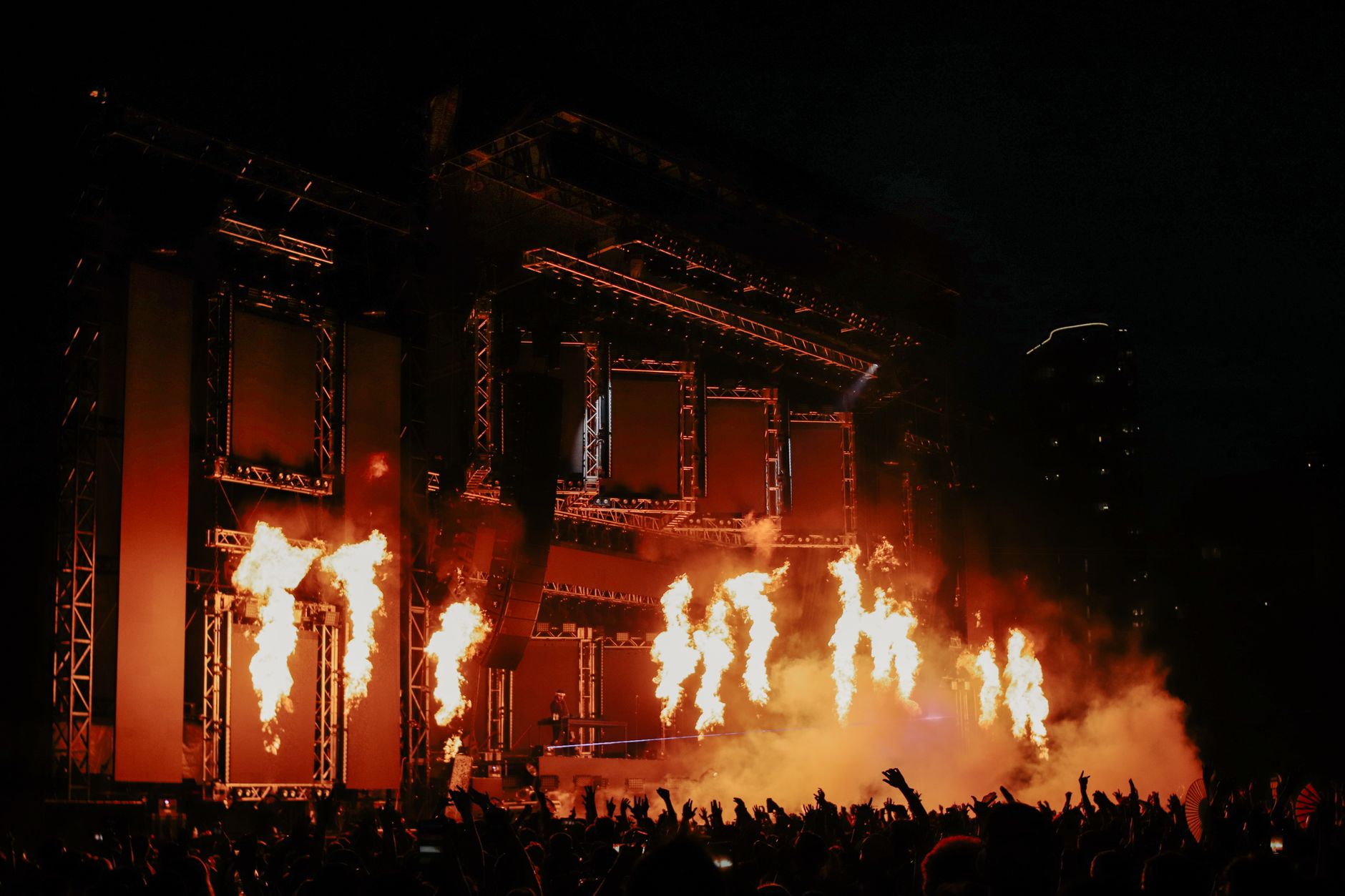
The 2026 music festival guide: The biggest and best for next season are already taking shape behind closed doors. While you’re still rinsing dust from your 2025 boots, booking agents are finalizing headliner contracts for Coachella 2026, Bonnaroo’s secret committee is debating the legacy slot, and Lollapalooza’s radius clauses are locking down Chicago’s summer. The frustrating truth? There’s no single official source that tells you when these lineups drop. One morning you wake up to Twitter exploding because Governors Ball announced at 6:47 AM EST. By noon, the early-bird tier you were watching is gone.
That’s why you need a 2026 USA festival lineup announcement calendar tracker — not a static list of festivals, but a living system that surfaces information before it hits your feed. This guide walks you through building one from scratch, using tools you already have, with workflows that have saved our team from missing four major drops in the last two years alone.
Why Most Festival Calendars Fail You
Google “2026 music festivals” and you’ll find dozens of pretty calendars. They look helpful until you realize three critical flaws:
They’re reactive, not predictive. Most sites update after announcements happen. By then, presale windows are closing and payment plans are filling.
They treat all festivals equally. A 15,000-capacity boutique fest in the Ozarks and Coachella do not deserve the same mental bandwidth. Your tracker should weight festivals by your actual interest, travel radius, and budget.
They ignore the announcement pattern. Bonnaroo typically drops in mid-January. Electric Forest teases through their app first. Austin City Limits announces in two phases, roughly six weeks apart. A real tracker captures these rhythms, not just the dates.
The calendar you build today should function like a personalized newsroom dashboard — filtering noise, predicting timing, and triggering action.
Step 1: Build Your Core Festival Intelligence Database
Start with a simple spreadsheet. We prefer Notion or Airtable for their automation potential, but Excel works fine. Create these columns:
- Festival name
- Typical announcement month (based on 3+ years of history)
- Expected 2026 dates (from venue permits, previous patterns, or confirmed holds)
- Your priority tier (A: must attend, B: strong interest, C: monitoring)
- Maximum travel distance / budget ceiling
- Official channels to monitor (specific Twitter/X accounts, Instagram, app notifications, email lists)
- Last year’s drop time (e.g., “Tuesday 8 AM PST” — many festivals favor specific days)
Populate this with 15–25 festivals max. Over-tracking dilutes attention. For 2026, our A-tier watchlist includes: Coachella (Indio, CA), Bonnaroo (Manchester, TN), Lollapalooza (Chicago, IL), Austin City Limits (Austin, TX), Electric Forest (Rothbury, MI), Governors Ball (New York, NY), and Outside Lands (San Francisco, CA). Add B-tier regionals that fit your travel sweet spot — for East Coast readers, that’s Firefly (Dover, DE) or Boston Calling; for Midwest, Pitchfork or Riot Fest.
Critical detail: For each festival, note whether they announce the full lineup at once or use a phased reveal. Phased announcements (like ACL’s typical two-week rollout) require different alert sensitivity — you want to catch phase one, not wait for the complete poster.
Step 2: Set Up Your 2026 USA Festival Lineup Announcement Calendar Tracker Alert System
This is where your tracker becomes operational. You need three notification layers:
Layer 1: Native Platform Monitoring Follow each festival’s official accounts, but don’t rely on algorithmic feeds. On X/Twitter, use TweetDeck or its alternatives to create dedicated columns for each festival account. Turn on push notifications only for your A-tier list — otherwise you’ll drown in promotional content.
For Instagram, the “close friends” hack works surprisingly well. Some festivals post Stories to smaller segments before wide announcements. Follow their production companies too (Goldenvoice for Coachella, C3 Presents for Lollapalooza/ACL — these accounts sometimes leak timing hints).
Layer 2: Aggregator Automation Set Google Alerts for exact phrases: “[Festival name] 2026 lineup,” “[Festival name] announcement,” plus the festival name + “presale.” Use IFTTT or Zapier to push these into a dedicated Slack channel or Telegram group.
Reddit’s r/festivals and genre-specific subs (r/Coachella, r/bonnaroo) are goldmines for rumor aggregation. Assign one “deep read” day weekly to scan these — daily checks waste time on speculation.
Layer 3: Industry Source Monitoring The most reliable early signals come from industry publications: Billboard, Pollstar, Consequence of Sound, and NME for international acts. Artist touring schedules are predictive — if a band books a North American tour with a June gap, they’re likely holding for festival appearances. Songkick and Bandsintown tour announcements often precede festival confirmations by 2–4 weeks.
Pro tip: Bookmark the Festival Outlook rumor tracker and the CoS Festival Guide. These update more frequently than most “official” 2026 calendars.
Step 3: Build Your Decision Framework for Drop Day
The moment your alert fires, chaos hits. Here’s the workflow that prevents panic-purchasing or missed windows:
The 10-Minute Assessment:
- Confirm the announcement source (official account, not fan rumor)
- Screenshot the lineup immediately — festivals sometimes edit posters post-release
- Cross-reference your “must-see” artists against your existing travel calendar
- Check presale/payment plan deadlines (often 24–72 hours for best pricing)
The 24-Hour Hold (for B/C tier): Unless it’s your absolute dream lineup, wait. First-wave social media hype creates artificial scarcity. Most festivals release additional tickets in phases, and early announcements sometimes shift — ACL 2023’s initial poster notably changed before the final version.
The Tracking Spreadsheet Update: Log the actual announcement date, time, and any deviations from historical patterns. This refines your predictive model for 2027. Our internal tracker now predicts Bonnaroo’s drop within ±3 days based on five years of data.
Step 4: Integrate Travel and Logistics Pre-Planning
Your 2026 USA festival lineup announcement calendar tracker shouldn’t exist in isolation. The moment you commit to a festival, three parallel tracks open:
Accommodation holds: Most major festivals release lineups 8–10 months before the event. Hotel blocks haven’t opened yet, but Airbnb and VRBO hosts in festival towns often don’t know to spike prices. Book refundable options immediately.
Transportation alerts: Set Google Flights price tracking for your departure city to the nearest major airport. For Coachella, that’s Palm Springs (PSP) or Ontario (ONT), not LAX — the difference in post-festival exit time can be hours.
Crew coordination: If you festival with a group, pre-establish your “drop day” communication chain. Group chats fail under announcement pressure. Designate one decision-maker per festival to avoid the “did anyone grab tickets?” scramble.
Step 5: Maintain and Refine Your System Through 2026
A tracker dies without maintenance. Schedule 20-minute monthly reviews to:
- Update announcement dates as they occur
- Remove cancelled or postponed festivals (2025’s weather-related cancellations were unprecedented — build contingency for 2026)
- Adjust priority tiers based on artist movements and your own evolving tastes
- Test and replace broken alert sources
In September 2025, start your “2027 prep” tab. The most sophisticated trackers we’re seeing in festival communities now maintain rolling 18-month horizons.
Conclusion
The difference between snagging your dream 2026 festival experience and watching from your phone isn’t luck — it’s systematic information management. A 2026 USA festival lineup announcement calendar tracker built around your specific priorities, with predictive alerts and clear decision protocols, transforms announcement season from anxiety into opportunity.
Start tonight. Pick your top five festivals. Set up one alert channel. By the time Coachella’s first teaser hits, you’ll be the friend who knew before the official post went live. The 2026 music festival guide: The biggest and best for your personal calendar starts with the system you build today — not the lineup poster you refresh tomorrow morning.
Like what you're reading?
Check out our recommended partner for this niche.
Novem Astra Global Media →