
Festival Earplug Recommendations: Decibel Ratings Explained for Safer Shows in 2026
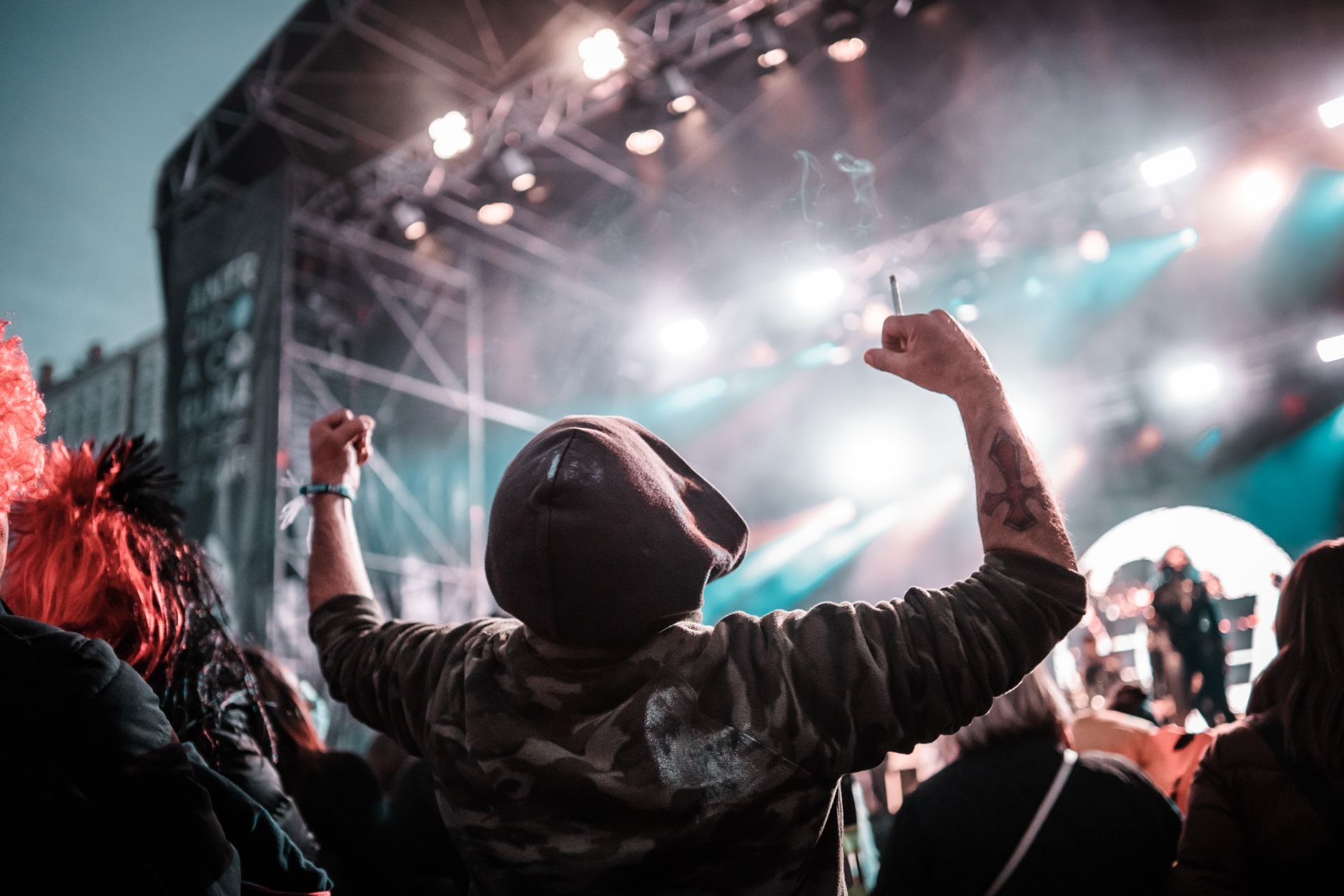
With 2026 festival season hitting record attendance numbers and stages deploying more powerful PA systems than ever—Coachella’s main stage reportedly pushed 110dB at front-of-house during Doja Cat’s set this spring—hearing protection has shifted from “maybe later” to essential gear. If you’re still stuffing cheap foam in your ears or, worse, going raw, you’re not just risking next-day ringing. You’re gambling with permanent damage. This guide delivers festival earplug recommendations with decibel ratings explained in plain terms, so you can actually understand what you’re buying instead of guessing based on Amazon stars.
Why Decibel Ratings Matter More Than Brand Hype
Here’s the truth most earplug marketing buries: not all “high-fidelity” filters are created equal, and decibel reduction ratings often mislead casual buyers.
Sound intensity doubles every 3dB. A festival stage pumping 100dB isn’t just “louder” than 97dB—it’s twice as intense. Sustained exposure above 85dB causes permanent hearing damage. At 100dB, your safe window shrinks to roughly 15 minutes. Most festival sets run 45-75 minutes. Do that math.
When you see NRR (Noise Reduction Rating) on US packaging, that’s a laboratory-tested estimate in ideal conditions. Real-world performance typically runs 50% lower. An earplug rated 27dB NRR might deliver 13-14dB actual reduction at a sweaty, moving festival crowd. European products use SNR (Single Number Rating) instead—similar concept, different testing standard, usually slightly higher numbers.
The key spec to hunt for: flat attenuation filters. These reduce volume evenly across frequencies (roughly 15-25dB) rather than muffling highs and leaving lows booming. You hear the music as intended, just quieter. Foam plugs without filters typically create that underwater, bass-heavy mess that drives people to rip them out.
Festival Earplug Recommendations by Decibel Need
Your ideal protection depends on where you stand, how long you stay, and what you prioritize—clarity, comfort, or maximum reduction.
For front-row warriors and bassheads:
-
Etymotic ER20XS (20dB NRR, ~13-15dB real-world): The gold standard for flat attenuation. Tiny, nearly invisible, and preserves sound quality exceptionally well. The “XS” version fits smaller ear canals better than original ER20s. Downside: no cord, easy to lose in porta-potty darkness.
-
Alpine PartyPlug Pro (21dB SNR): Dutch-designed with a built-in acoustic filter that specifically targets the 3-6kHz range where hearing damage accumulates fastest. Reusable for 100+ uses if cleaned properly. Includes carrying case that actually clips to belt loops.
For all-day stage-hoppers needing versatility:
-
Loop Experience Pro (18dB SNR with “Engage” filter, up to 23dB with “Experience” filter): The 2026 festival circuit’s most visible brand for good reason. Swappable filters let you adjust based on venue—Engage for conversation at beer gardens, Experience for full sets. The ring design sits flush, works with most in-ear monitor setups if you’re shooting content.
-
Flare Audio Isolate Pro (28-35dB depending on tip size): Solid metal core (aluminum or titanium options) blocks sound mechanically rather than filtering. Maximum protection, but you sacrifice some frequency clarity. Best for pyrotechnic-heavy EDM stages or if you’re already experiencing tinnitus.
For budget-conscious first-timers:
- Hearos High Fidelity Series (20dB NRR): Under $15, widely available at US drugstores, perfectly adequate for occasional festival use. Not as flat as Etymotic, but leagues beyond foam. Replace every 3-4 festivals as the filter degrades.
Reading Decibel Ratings: What the Numbers Actually Mean
Let’s break down the math you’ll see on packaging, because manufacturers love obfuscation.
| Rating System | What It Claims | Real-World Expectation |
|---|---|---|
| NRR 27 | 27dB reduction | ~13-14dB actual |
| SNR 25 | 25dB reduction | ~16-18dB actual |
| ”15dB flat attenuation” | 15dB across frequencies | Usually accurate for filtered plugs |
The discrepancy exists because lab tests use perfect insertion in idealized ear canals. Your ears sweat, move, and vary in shape. For festivals, assume roughly 50% of stated NRR and 70% of stated SNR.
Critical distinction: attenuation vs. isolation. Attenuation (filters) turns everything down evenly. Isolation (solid blocking) cuts more total decibels but skews frequency balance. A -25dB isolating plug might feel “quieter” than a -15dB filter, yet the filter actually protects better at the frequencies most damaging to speech clarity long-term.
2026 Festival Reality Check: When to Upgrade Your Protection
This season’s production trends demand smarter protection choices. Three developments should influence your gear:
Line array technology advances—L-Acoustics and d&b systems now deploy cardioid sub arrays that direct low-frequency energy more precisely toward crowds. Translation: front-center bass impact is measurably higher than five years ago, even when overall stage volume reads similar on meters.
Silent disco’s resurgence—Paradoxically dangerous. Headphones at these events often run 95-105dB directly into your ear canal with zero ambient masking. Standard open-back headphones offer zero protection. If you’re doing silent disco for more than 20 minutes, filtered in-ear monitors or even basic isolating tips become essential.
Sunset-to-close marathon scheduling—Major festivals are pushing more headline acts into 10pm-1am slots with fewer breaks. That 2019 pattern of ducking to camp for acoustic reset periods? Disappearing. Your ears get no recovery time.
Upgrade triggers: any ringing lasting past morning, difficulty understanding conversation in noisy restaurants post-festival, or needing to crank headphones louder than last year. These are early warning signs, not badges of honor.
How to Test and Maintain Your Festival Earplugs
Buying quality plugs is only half the battle. Proper use and care determine actual protection received.
Insertion technique for non-custom plugs: Pull your ear up and back with opposite hand (straightens the ear canal), insert with gentle twisting motion until the outer flange sits just inside the opening. If you can see the plug from straight-on in a mirror, it’s too shallow. A poor seal can drop effective protection by 10dB or more.
Cleaning protocol: Rinse silicone or thermoplastic plugs in warm water with mild soap after each day. Dry completely before storage—trapped moisture breeds bacteria that causes outer ear infections, common in festival camping conditions. Never use alcohol on filtered plugs; it degrades the acoustic membrane.
When to replace: Visible discoloration, cracking in silicone flanges, or reduced clarity (muffled rather than evenly quiet). For foam disposables, one use only—they’re designed to expand and conform once.
Conclusion
Festival earplug recommendations with decibel ratings explained clearly come down to this: understand that 20dB on a box rarely means 20dB in your ear, prioritize flat attenuation over raw reduction numbers, and match your protection to your actual stage position and duration. The 2026 season’s louder, longer, and more sonically aggressive than ever—but that doesn’t mean you sacrifice tomorrow’s hearing for tonight’s drop. Spend $20-50 on proper filtered plugs, learn to insert them correctly, and you’ll hear every nuance of the set without the permanent souvenir of tinnitus. Your future self, still enjoying music at fifty, will thank you.
Like what you're reading?
Check out our recommended partner for this niche.
Novem Astra Global Media →