
Festival Cashless Payment Tips for First Timers: Your 2026 Survival Guide
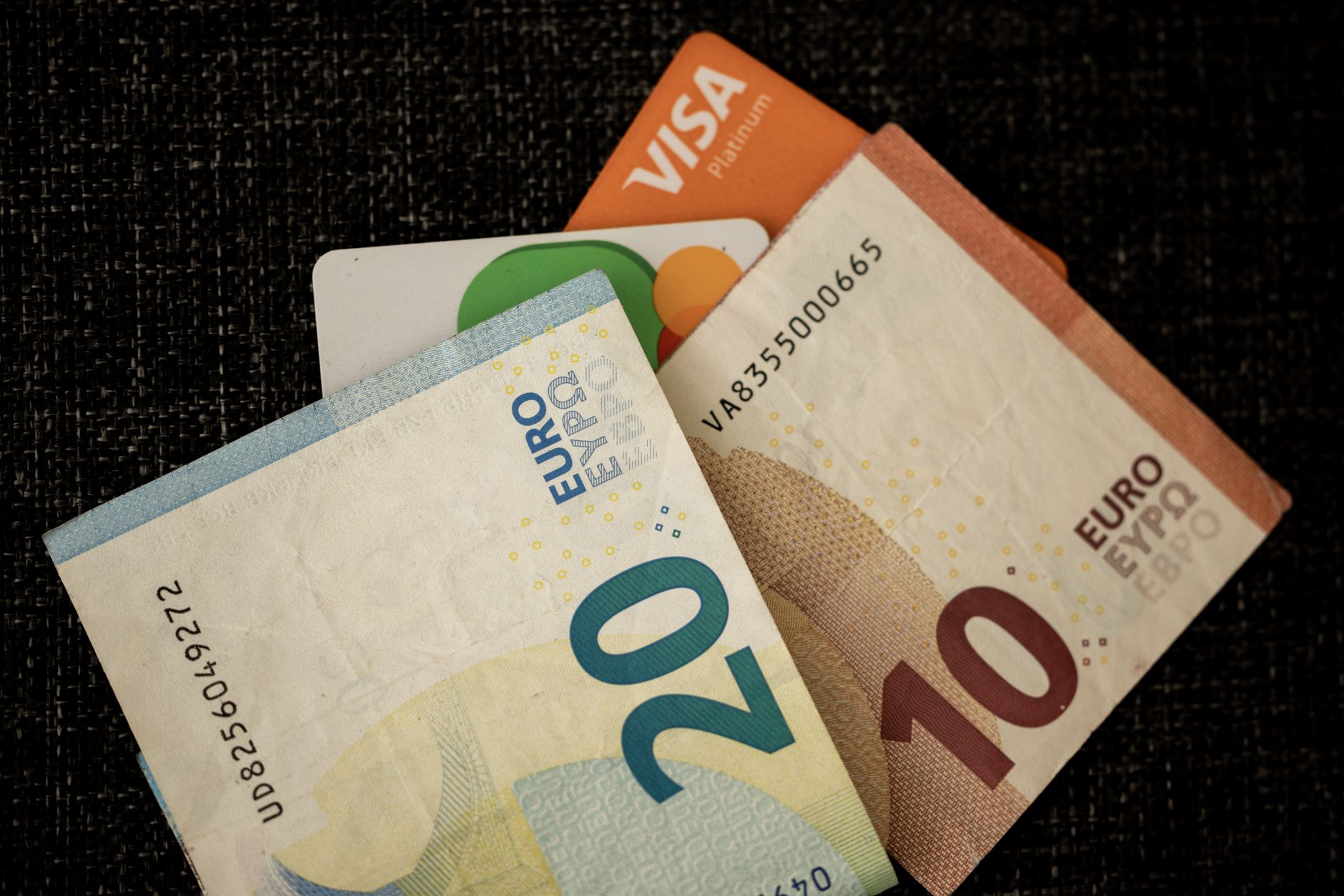
The festival industry just hit a major milestone: over 85% of major U.S. music festivals have now gone fully cashless as of the 2026 season. If you’re heading to your first festival this year, you won’t be fumbling with soggy dollar bills at the beer tent — you’ll be tapping a wristband, scanning a QR code, or praying your phone battery survives until headliner time.
But here’s the thing nobody tells first-timers: cashless payment systems at festivals are not all created equal. Some work flawlessly. Others will leave you stranded at a food truck at 11 PM with a declined transaction and zero backup options.
These festival cashless payment tips for first timers will save you from that exact nightmare. Let’s break down everything you need to know before you tap your first wristband.
Understanding How Festival Cashless Systems Actually Work
Before you can outsmart the system, you need to understand what you’re dealing with. Most festivals in 2026 use one of three payment setups:
RFID wristbands remain the most common. Your festival wristband contains a small chip linked to your credit card or a preloaded balance. You tap it against a reader, maybe enter a PIN, and you’re done. Coachella, Bonnaroo, and Lollapalooza all use variations of this system.
Mobile wallet integration is the fastest-growing option. Festivals like Outside Lands and Austin City Limits now let you link your Apple Pay or Google Wallet directly to your festival account. You pay with your phone or smartwatch instead of a wristband.
Closed-loop festival currency still exists at some events, where you load money onto a festival-specific card or app. Electric Forest and several European festivals use this model.
Here’s what matters for you: find out which system your festival uses before you arrive. Check the festival’s official app or website. This single step eliminates 90% of payment confusion on day one.
Festival Cashless Payment Tips for First Timers: Pre-Festival Setup
The biggest mistake first-timers make? Waiting until they’re inside the gates to figure out payments. Here’s your pre-festival checklist:
-
Register your wristband early. Most festivals email you a registration link 1-2 weeks before the event. Do this the day you receive it. Link your credit or debit card, set your PIN, and confirm everything works.
-
Set a daily spending limit. This is the single most underrated feature of cashless systems. Most platforms let you cap your spending at $50, $75, or whatever you choose per day. Festival environments are designed to make you spend impulsively — a $14 craft cocktail here, a $35 merch hoodie there. A daily limit keeps you honest.
-
Load a backup payment method. If your festival supports it, link a second card. If your primary card gets flagged for unusual activity (which happens constantly at festivals), you’ll have a fallback.
-
Download the festival app. In 2026, most festival apps include real-time balance tracking, transaction history, and the ability to top up your wristband balance without visiting a physical kiosk.
-
Screenshot your registration confirmation. Cell service at festivals is notoriously unreliable. Having offline proof of your payment setup can resolve disputes quickly.
Smart Spending Strategies Once You’re Inside
You’ve got your wristband activated and your budget set. Now let’s talk about not blowing through $200 by Saturday afternoon.
Know the real prices before you go. Festival food and drink prices in 2026 are steep. Expect to pay $12-$18 for beer, $15-$25 for cocktails, and $14-$22 for food items. Merch typically runs $40-$65 for t-shirts. Budget accordingly — most festival-goers spend $80-$150 per day on food, drinks, and extras.
Use the “tap and confirm” habit. Every time you tap your wristband, glance at the screen to confirm the amount. Overcharges happen more often than festivals admit. Catching a $45 charge that should’ve been $14 right away is infinitely easier than disputing it Monday morning.
Take advantage of free water. Almost every major festival is required to provide free water refill stations. Bring a hydration pack or reusable bottle and skip the $6 bottled water entirely. This alone saves most attendees $30-$50 per day.
Eat one real meal outside the festival if possible. If your festival allows re-entry, grabbing lunch from a nearby restaurant instead of eating every meal inside can cut your food spending by 40%. Even festivals without re-entry often have affordable options near the entrance gates.
What to Do When Cashless Systems Fail (Because They Will)
Let’s be real: payment systems crash at festivals. It happened at three major festivals during the 2025 season, and it’ll happen again. Here’s your contingency plan:
Carry a small amount of cash. Yes, even at “fully cashless” festivals. Some independent vendors, parking attendants, and shuttle drivers still accept cash. Stash $40-$60 in small bills somewhere secure — a zippered pocket, a money belt, or your phone case.
Know where the help desk is. Every cashless festival has a customer service booth for payment issues. Find it on your festival map when you arrive, not when you’re standing there with a declined wristband and a line of impatient people behind you.
Keep your phone charged. If your festival uses mobile payments, a dead phone means a dead wallet. Portable chargers are essential — but since we already cover festival phone charging stations in depth, just know that bringing your own fully charged power bank is always the better move.
Understand the refund process. If you preloaded money onto a wristband and didn’t spend it all, most festivals offer refunds — but the window is often short. Some festivals give you 7 days post-event, others give you 30. A few (looking at you, certain boutique festivals) keep unspent balances entirely. Read the refund policy before you load $200 onto your wristband.
Protecting Yourself from Cashless Payment Fraud
Festival payment fraud is rising in 2026, and first-timers are the most common targets. Protect yourself with these steps:
- Never share your PIN. Festival staff will never ask for it. If someone does, walk away.
- Check your transaction history daily. The festival app makes this easy. Look for duplicate charges or amounts you don’t recognize.
- Use a credit card instead of debit when possible. Credit cards offer stronger fraud protection. If someone clones your wristband data, you want that buffer between the fraudster and your actual bank account.
- Report a lost wristband immediately. Most festivals let you freeze a lost wristband through the app and transfer your balance to a replacement. The faster you act, the less likely someone else is spending your money at the margarita stand.
Your Cashless Festival Action Plan
Festival cashless payment tips for first timers really come down to one core principle: prepare before you arrive, stay aware while you’re there. The cashless revolution has genuinely made festivals more convenient — no more ATM lines, no more wet bills, no more counting change in the dark. But convenience only works in your favor when you understand the system.
Register your wristband the moment you get the email. Set a spending limit that won’t leave you eating ramen for the rest of the month. Carry a small cash backup. Check your transactions each night. And when something goes wrong — because something always goes wrong at festivals — you’ll handle it like a seasoned veteran instead of a panicked first-timer.
Now go enjoy the music. Your wallet’s got this.
Like what you're reading?
Check out our recommended partner for this niche.
Novem Astra Global Media →