
Ultimate Festival Camping Guide: Sleep Better at Music Events
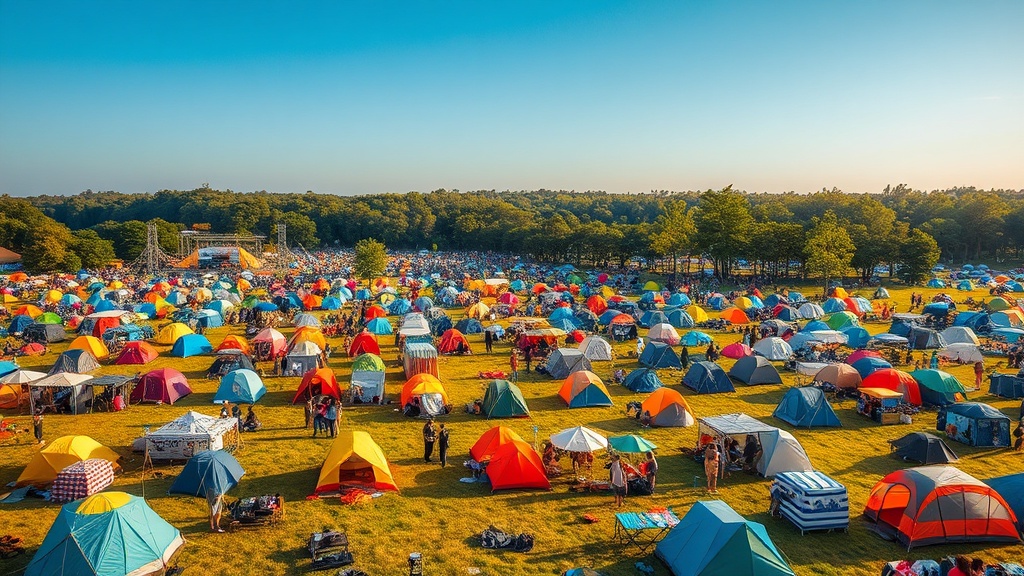
Ultimate Festival Camping Guide: Sleep Better at Music Events
Festival season brings excitement, incredible lineups, and unforgettable experiences—but it also brings uncomfortable nights under canvas if you’re not prepared. Whether you’re a seasoned festival camper or pitching your tent for the first time, this comprehensive guide will help you sleep better, stay comfortable, and make the most of your festival camping experience.
Why Festival Camping Preparation Matters
Poor sleep at festivals doesn’t just affect your comfort—it impacts your entire experience. When you’re well-rested, you have more energy for dancing, can navigate the grounds safely, make better decisions about which sets to catch, and actually enjoy socializing with friends. Conversely, exhaustion and discomfort can transform a dream festival into a grueling endurance test.
The good news? Strategic preparation transforms festival camping from a survival situation into a genuinely enjoyable part of your adventure.
Essential Camping Gear Every Festival-Goer Needs
Your Tent: The Foundation of Comfort
Choosing the right tent is non-negotiable. Look for these features:
Size and Design: A tent 2-3 sizes larger than you think you need provides space for gear storage, reducing midnight fumbling. Dome or tunnel tents offer better weather protection than traditional A-frames.
Ventilation: Proper airflow prevents condensation that leaves you damp and uncomfortable. Multiple vents are essential for sticky summer festival conditions.
Darkness: Invest in a tent with excellent light-blocking capability. Festival grounds won’t respect your sleep schedule, and blocking light helps regulate melatonin production.
Durability: Festival grounds can be muddy and rough. Reinforced bases and quality stitching prevent water seeping during unexpected rain.
Sleep Systems That Actually Work
Your sleeping arrangement deserves serious attention:
- Sleeping bag: Choose based on expected temperatures, accounting for dips at night. A bag rated 5-10 degrees below forecast temperatures provides safety margin.
- Sleeping pad: This is where many festival campers fail. A quality foam or inflatable pad provides insulation from ground cold and cushioning. It’s the single biggest sleep upgrade you can make.
- Pillow: Bring a camping pillow or use a compressed stuff sack filled with clean clothes. Your neck will thank you.
- Sleeping liner: A thin liner sheet reduces washing frequency of your main sleeping bag and adds insulating layers.
Pre-Festival Camping Preparation
Scout Your Campsite Location
Arrival timing dramatically affects your camping experience. Here’s the strategic approach:
Arrive Early: Getting there before peak arrival times (usually evening) allows you to claim premium locations. Aim for mid-morning or early afternoon if possible.
Choose Wisely: Select elevated ground away from festival facilities (bathrooms, stages). Higher elevation prevents water pooling, and distance from facilities means less foot traffic and noise.
Wind Consideration: Identify prevailing wind direction and position your tent accordingly. Wind blocks sound and provides natural cooling.
Neighbor Awareness: Position your tent with friendly spacing from neighbors. Too close creates social pressure; too far means less safety in numbers.
Sleep Optimization Strategies
Temperature Management
Temperature is the primary sleep disruptor at festivals. Master these techniques:
Layering Your Bedding: Start with a base layer, sleeping pad, sleeping bag, then blanket. This allows shedding layers if you get hot.
Clothing Strategy: Sleep in clean, dry clothes. Many festival campers experience temperature swings—keep extra layers accessible but outside your sleeping bag.
Ground Insulation: Double your sleeping pad or use both foam and inflatable pads for superior insulation and comfort.
Strategic Timing: Sleep during the coolest parts of the day (early morning and late afternoon) rather than only at night.
Sound Management
Festival environments are inherently noisy. Create a sound buffer:
- Use earplugs—quality foam plugs block 20-30 decibels of sound
- Position your tent to minimize direct sound from stages and pathways
- Accept that some noise is part of the experience; focus on fatigue management instead
- Consider sleeping during quieter daytime hours when possible
Daily Habits That Improve Festival Sleep
Hydration and Nutrition Strategy
What you consume directly affects sleep quality:
- Hydration: Drink consistently throughout the day, but taper evening intake to avoid nighttime bathroom trips
- Caffeine Cutoff: Avoid caffeine after 2 PM; it remains in your system longer than you’d expect
- Heavy Foods: Skip large meals close to bedtime; they cause discomfort and heartburn
- Alcohol Moderation: While tempting, heavy drinking disrupts sleep architecture and causes dehydration
Sun and Light Exposure
Your circadian rhythm controls sleep quality more than you realize:
- Morning Light: Get 15-20 minutes of sunlight upon waking to set your circadian rhythm
- Afternoon Rest: Take advantage of the natural afternoon energy dip to nap
- Evening Darkness: As evening approaches, allow your body’s natural melatonin production—use your tent’s light-blocking features
Physical Activity and Relaxation
Balance activity with recovery:
- Pace Your Dancing: You’ll be at the festival for multiple days; don’t exhaust yourself completely on day one
- Walking Routes: Familiarize yourself with the festival layout so navigation is less stressful
- Relaxation Zones: Many festivals have chill-out areas—use them strategically to recover
- Breathing Exercises: Simple deep breathing before sleep calms your nervous system
Practical Festival Camping Hacks
Moisture Management
Moisture is your silent enemy:
- Dry Bag Your Essentials: Keep sleep clothes, documents, and electronics in waterproof bags
- Morning Ventilation: Open your tent during morning light to air it out
- Towel Strategy: Keep microfiber towels for quick moisture removal
- Gear Placement: Store damp items outside or in designated areas, not in your sleeping space
Security and Safety
Protect your comfort investments:
- Valuables: Keep phones, wallets, and keys in a small bag you can secure to yourself at night
- Tent Markers: Use unique markers on your tent so you can locate it among hundreds of similar ones
- Campsite Community: Establish basic trust with immediate neighbors—lookout arrangements benefit everyone
- Lost and Found: Keep a contact method visible near your tent in case of emergencies
Breaking Down Misconceptions About Festival Sleep
Many festival campers sabotage their own sleep with false beliefs:
“Festival sleep is just accepting sleeplessness”: False. With proper planning, you can sleep 6-7 hours nightly.
“Expensive gear is necessary”: False. Quality matters more than cost. A $40 sleeping pad outperforms a $200 tent in sleep quality.
“You’ll adapt to discomfort”: False. Cumulative sleep deprivation worsens over the festival weekend.
“Everyone sleeps badly”: False. Prepared festival campers sleep far better than unprepared ones.
Your Festival Camping Action Plan
Implement these steps before your next festival:
- Week Before: Test your gear setup in your backyard
- Day Before: Check weather forecasts and adjust clothing/gear accordingly
- Arrival: Scout your location immediately, set up camp before afternoon rush
- Daily: Maintain consistent sleep times, hydration, and gear maintenance
- Evening: Prepare your sleeping area 30 minutes before intended sleep time
Conclusion
Festival camping doesn’t require sacrificing sleep comfort. By investing in quality gear, strategic placement, and consistent daily habits, you’ll transform your festival experience. Better sleep means better days, which means better memories.
Approach festival camping as an integral part of your festival adventure rather than a necessary inconvenience. Your future festival-going self will appreciate the preparation—and the rest.
Like what you're reading?
Check out our recommended partner for this niche.
Novem Astra Global Media →